 For Inquiries: +965 220 84854
 support@sabhan-combined.com
- العربية
For Inquiries: +965 220 84854support@sabhan-combined.com
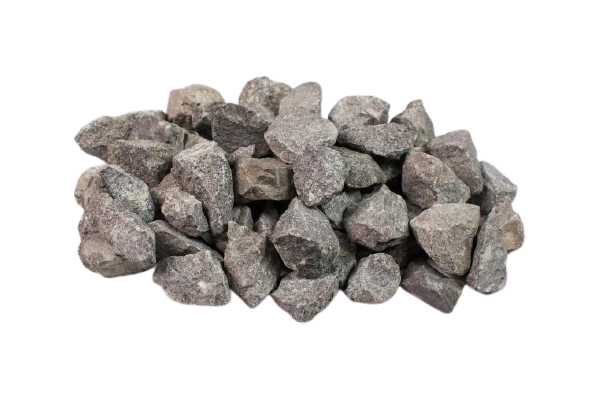
Limestone is a carbonate sedimentary rock that is often composed of the skeletal fragments of marine organisms such as coral, foraminifera, and molluscs. Its major materials are the minerals calcite and aragonite, which are different crystal forms of calcium carbonate (CaCO3). A closely related rock is dolomite, which contains a high percentage of the mineral dolomite, CaMg(CO3)2. In old USGS publications, dolomite was referred to as magnesian limestone, a term now reserved for magnesium-deficient dolomites or magnesium-rich limestones.
Limestone has numerous uses: as a building material, an essential component of concrete (Portland cement), as aggregate for the base of roads, as white pigment or filler in products such as toothpaste or paints, as a chemical feedstock for the production of lime, as a soil conditioner, and as a popular decorative addition to rock gardens.
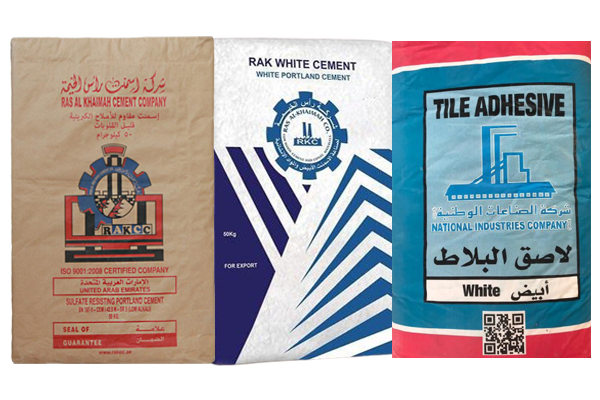
Cement is deemed as an important strategic product, thus the countries persist to secure their needs of this product from local production as much possible, as this ensures delivering this product to the consumer at the desired level of quality while avoiding the issues of transport and long-time storage, since it is a final product vulnerable to weather conditions. All cement products are manufactured to comply with the highest local and international standards & specifications of quality and dependability,
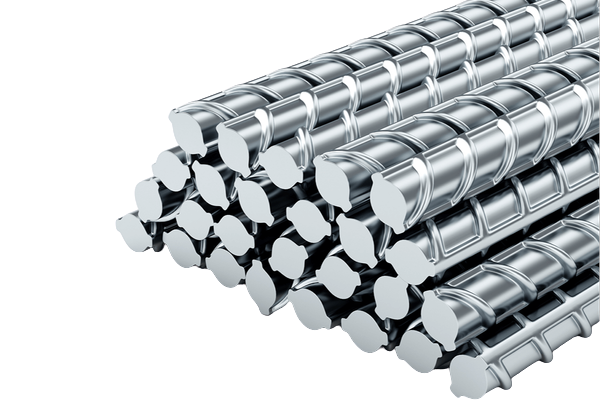
Rebar (short for reinforcing bar), known when massed as reinforcing steel or reinforcement steel, is a steel bar or mesh of steel wires used as a tension device in reinforced concrete and reinforced masonry structures to strengthen and aid the concrete under tension. Concrete is strong under compression, but has weak tensile strength. Rebar significantly increases the tensile strength of the structure. Rebar's surface is often "deformed" with ribs, lugs or indentations to promote a better bond with the concrete and reduce the risk of slippage.
The most common type of rebar is carbon steel, typically consisting of hot-rolled round bars with deformation patterns. Other readily available types include stainless steel, and composite bars made of glass fiber, carbon fiber, or basalt fiber.